|


| Quantity: | |
|---|---|
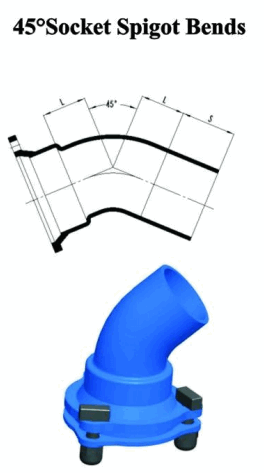
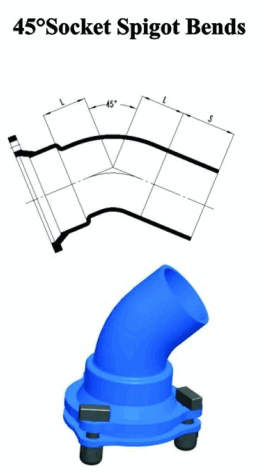
The 45° Socket-Spigot Bends represent a critical structural component in fluid transmission networks, engineered specifically to facilitate directional shifts with minimal hydraulic resistance. Upon handling these fittings, procurement and engineering teams will immediately register the substantial weight and solid metallic resonance that indicate a dense, void-free casting process. The exterior surfaces present a uniform, tactile finish, a direct result of meticulous coating applications that prepare the fitting for decades of demanding underground or exposed service. By integrating these precise bends into a pipeline architecture, project managers can significantly accelerate installation timelines while securing a leak-proof, enduring connection that actively mitigates future maintenance liabilities.
Standard: ISO2531/EN545
Strictly adhering to recognized global frameworks, these fittings undergo rigorous metallurgical validation. This compliance guarantees exceptional mechanical strength, ensuring the bends can absorb ground movement, heavy soil loads, and operational vibrations without compromising structural integrity. Meeting these international benchmarks provides immediate engineering clearance for complex municipal and industrial projects worldwide.
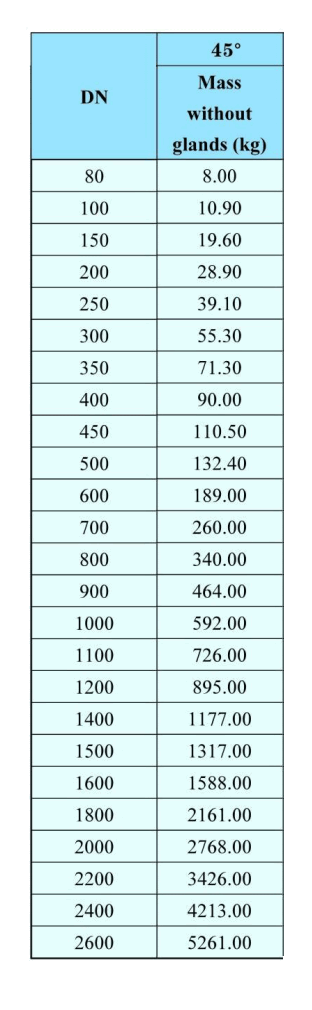
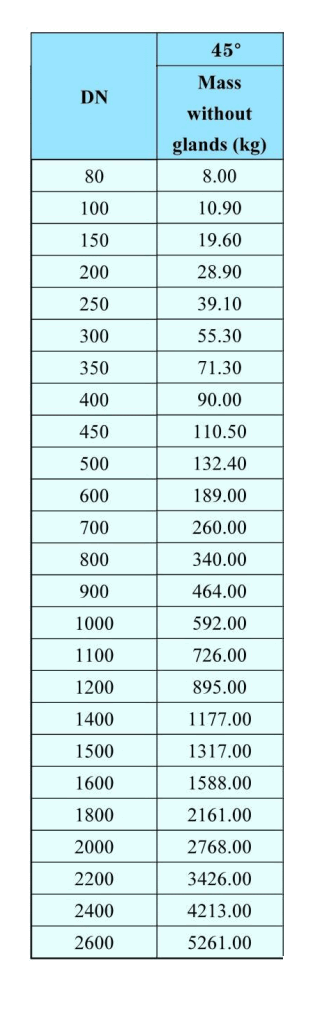
Size: DN60-2600
The extensive dimensional range accommodates virtually any project scale. From compact DN60 lines managing localized fluid distribution to massive DN2600 conduits forming the backbone of regional water grids, this comprehensive sizing ensures exact compatibility with existing pipeline architectures, eliminating the need for custom fabrication or risky field adapters.
Internal Lining: Cement, Epoxy Paint, FBE(Fushion Bonded Epoxy)
To preserve fluid purity and optimize flow dynamics, the interior surfaces feature specialized barrier technologies. The application of these linings creates a frictionless internal environment that actively resists mineral scaling and biological buildup. This protective layer directly shields the iron substrate from aggressive aqueous compounds, sustaining optimal flow rates and extending the operational lifespan of the entire network.
External Coating: Zinc Rich Bitumen, Epoxy Paint, FBE(Fushion Bonded Epoxy)
The exterior defense mechanisms are formulated to withstand severe subterranean and atmospheric challenges. These robust coatings form an impenetrable shield against soil alkalinity, moisture penetration, and stray electrical currents. The resulting barrier prevents oxidation and galvanic degradation, ensuring the fitting maintains its pressure capacity even in highly corrosive soil environments.
Application:
These directional fittings are essential for navigating complex topographies and avoiding subterranean obstacles. By utilizing a precise 45-degree angle, system designers can maintain necessary fluid velocity while drastically reducing the hydraulic shock and turbulence often associated with sharper turns. This specific geometry proves invaluable across multiple critical infrastructure sectors.
●Water Supply, Transmission and Distribution
Ensures the safe, uninterrupted transit of potable water across vast regional networks, maintaining strict hygiene standards from treatment facilities directly to urban endpoints.
● Water Plant and Sewage Treatment Reservoir Piping
Handles the continuous flow of chemically treated fluids and raw intake, resisting the abrasive nature of suspended solids and harsh purification chemicals within processing facilities.
● Sewage Collection and Disposal System
Provides reliable directional routing for wastewater, utilizing robust internal protections to combat the highly corrosive gases and biological agents constantly present in effluent lines.
● Storm Water Drainage System
Accommodates rapid, high-volume surges during severe weather events, preventing urban flooding through secure, blowout-resistant joint configurations that withstand sudden pressure spikes.
● Irrigation System
Supports extensive agricultural operations by delivering consistent water pressure across uneven rural terrain, minimizing vital resource loss through exceptionally secure connections.
● Fire Fighting System
Maintains absolute readiness in emergency suppression networks, where instantaneous high-pressure capacity and zero-failure reliability are mandatory for life safety.
Beyond material specifications and dimensional accuracy, the true value of these directional fittings lies in their operational reliability and installation efficiency. Every component is crafted to deliver measurable improvements to project execution and long-term network stability, ensuring that initial investments translate into enduring infrastructure.
The joint architecture is meticulously machined to facilitate rapid, secure assembly under challenging field conditions. Trench crews experience a smooth, guided insertion when mating the spigot into the socket, accompanied by the firm, tactile seating of the elastomeric gasket. This precise tolerance significantly reduces the physical exertion, heavy machinery reliance, and time required for trench-level installation. By minimizing the complexity of the connection, contractors can lower labor expenditures and accelerate overall project timelines while achieving a dependable, watertight seal.
Engineered to endure severe environmental fluctuations, these bends maintain their structural dimensions across extreme temperature gradients. Whether exposed to freezing ground conditions or elevated ambient heat, the metallic matrix resists thermal deformation. Furthermore, the robust casting easily withstands intense internal hydrostatic pressure, absorbing the kinetic energy of heavy water flow and preventing catastrophic bursts during unexpected system surges or violent water hammer events.
Prior to dispatch, every individual fitting is subjected to a comprehensive suite of diagnostic evaluations. Technicians conduct advanced non-destructive testing to verify the complete absence of internal micro-fractures or casting voids. This is followed by strict hydrostatic pressure trials, pushing the component well beyond its rated operational limits to guarantee zero leakage. This uncompromising approach to quality control ensures that once the fitting is buried and the trench is backfilled, it will perform flawlessly for generations, completely eliminating the risk of premature failure and subsequent costly excavation.